


If you’ve ever been told “monocoque is faster,” you’ve probably also been left with the only question that matters:

Faster how, exactly?
At SWI we care about performance, but we care even more about why performance shows up on the road as a feeling you can trust. So let’s demystify one of the most overused words in modern bike marketing.
What “monocoque” actually means
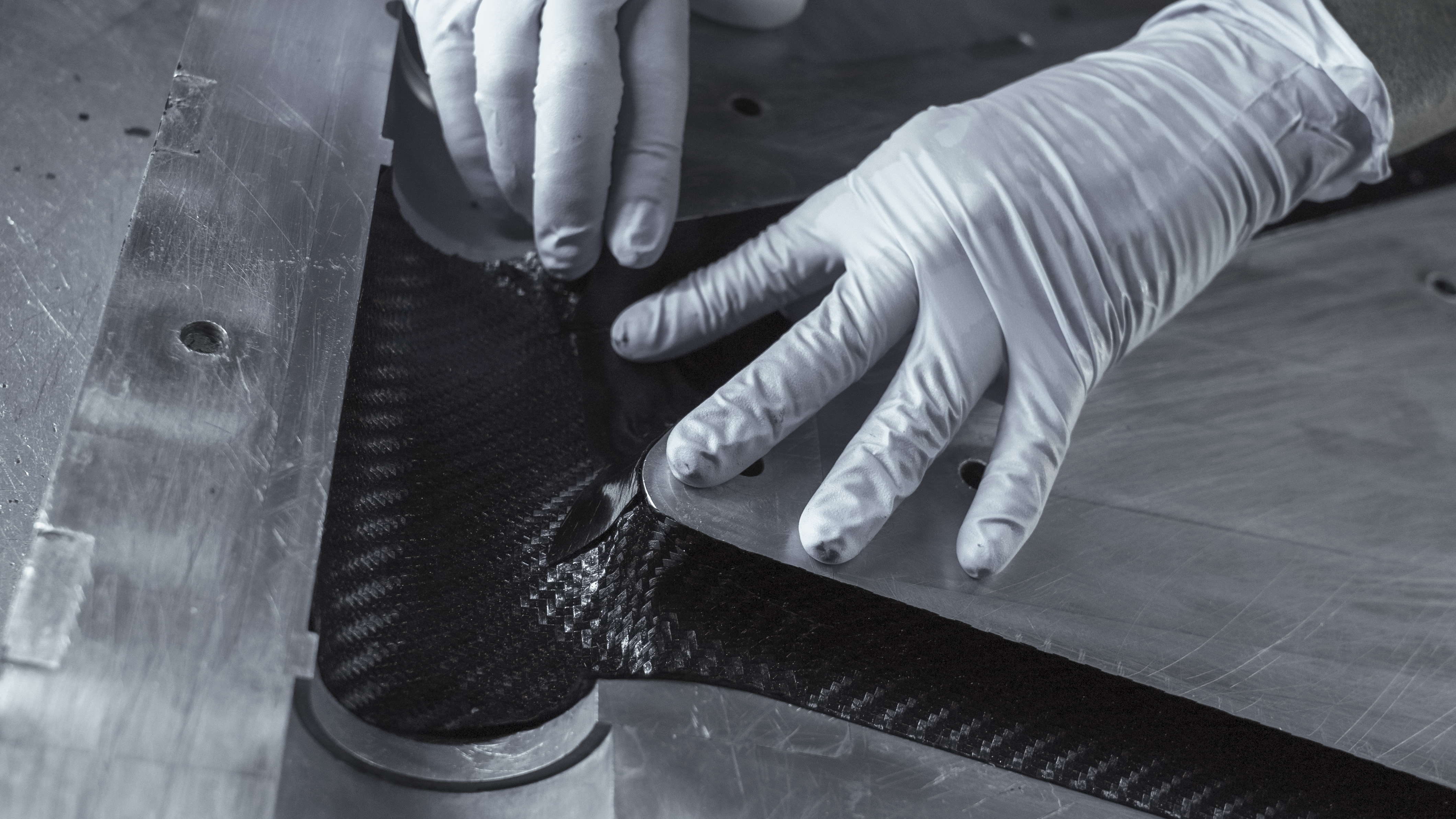
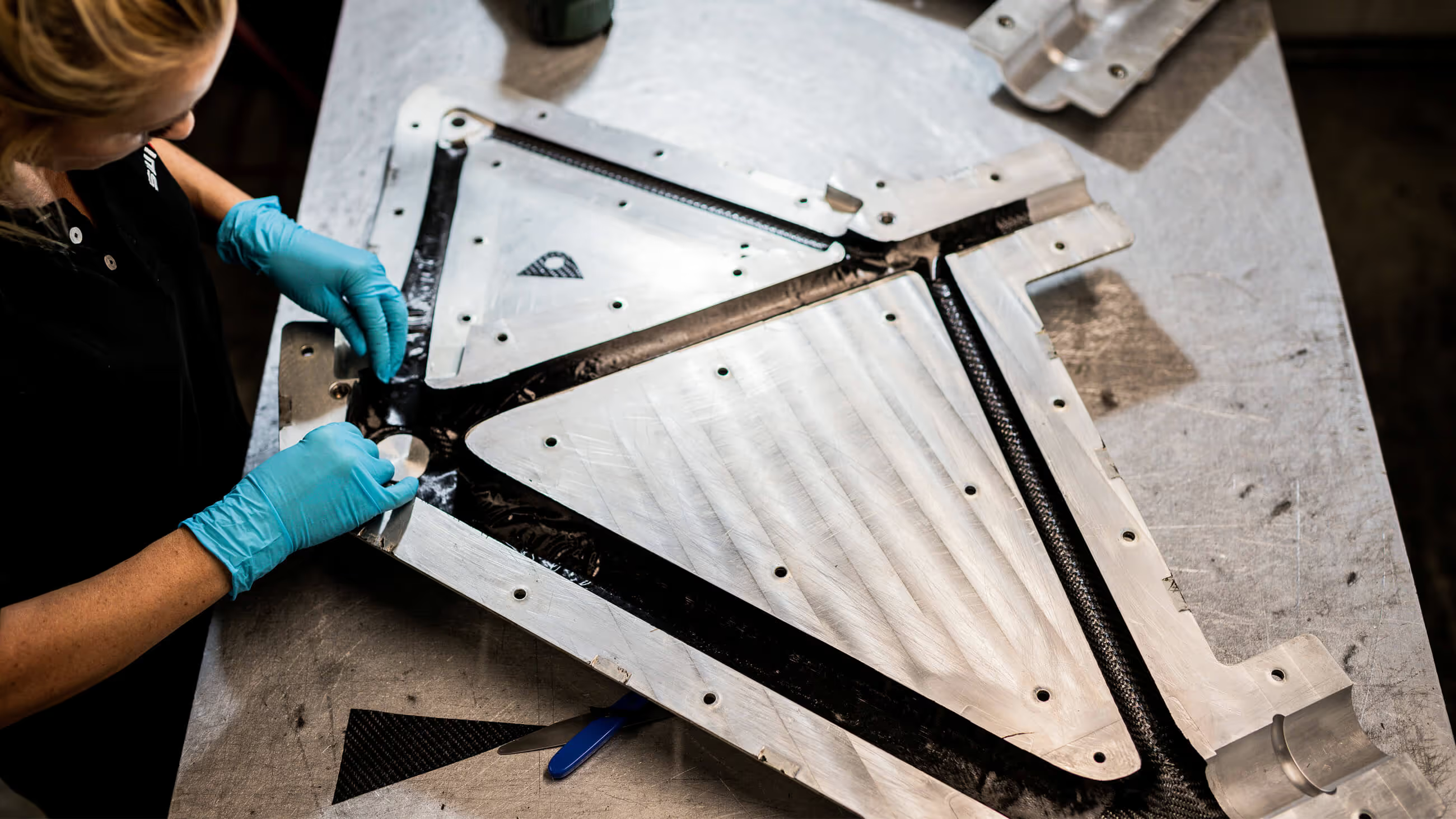
A monocoque carbon frame is formed in a mold as a single, continuous structural shell, or as large continuous sections designed to behave like one. The intent is straightforward: reduce interruptions in fiber paths and control compaction and layup schedules so the structure is predictable.
In contrast, many non‑monocoque carbon frames are built from pre‑formed tubes that are joined together:
Tube‑to‑tube: tubes are cut and joined at the junctions by wrapping additional carbon over the joints or bonding them.These methods are not old or bad. They are simply different manufacturing choices with different tradeoffs.[1]

The real comparison: where monocoque can win (and where it doesn’t)
1) Ride feel is tuning, not a construction label
The biggest myth: monocoque automatically equals better ride feel.
Ride feel comes from the sum of decisions:
tube profiles and shapeslayup schedulesstiffness targets by zone (head tube, bottom bracket, chainstays)compliance strategy (rear triangle, seatpost interface, transitions)Even the stiffness conversation itself is usually oversimplified. Stiffer is not a universal good. The goal is the right stiffness, in the right direction, for the intended experience.[2]
2) Design freedom and clean transitions
Monocoque construction can make it easier to create continuous shapes and transitions, especially around complex junctions. That can help engineers place material precisely, and it can simplify the path from design intent to repeatable output.
Tube‑to‑tube and lugged frames can still be phenomenal, but they often live inside practical constraints around how tubes and joints meet.
3) Tooling cost and iteration speed
Monocoque molds are expensive. Often you need different molds per size, and sometimes multiple molds per frame design. That cost pushes monocoque toward brands that are ready to commit to a platform and scale it.
Tube‑to‑tube can be more flexible for low‑volume production or frequent iteration because it reduces full‑frame tooling dependence.[1]
4) Repeatability and quality control
When monocoque is executed at a high level, the advantage is not the word. It is repeatability.
A disciplined monocoque process is designed to control:
laminate compaction and consolidationresin distributionfiber orientation and continuitywall thickness transitionsRepeatability matters because performance is not just lab numbers. It is alignment, reliability, and a consistent ride character across frames.
5) Serviceability and repair
A practical consideration: in some scenarios, bonded‑joint frames can be more service‑friendly because they are, structurally, joined components.
Monocoque frames can absolutely be repaired, but repair outcomes depend heavily on damage location, complexity, and the repair partner’s skill.
The SWI way to think about it
If you want the cleanest mental model:
Monocoque is a commitment to continuous design intent and repeatable structure.Neither is better by default.
What matters is whether the brand can explain, with discipline, what it is optimizing for.
At SWI, we optimize for one outcome:
Performance that feels personal.
Not a spreadsheet bike. Not a hype bike. A bike that disappears underneath you when you press on the pedals, and stays calm when the road stops behaving.
What to ask before you buy any carbon frame
Instead of asking “Is it monocoque?” ask:
What is the frame designed to feel like at threshold and above? Where is stiffness concentrated, and why? How is compliance achieved without dulling responsiveness?If the answers are vague, the construction method will not save it.
References
BikeRadar, Bike frame materials compared (includes a clear explanation of monocoque vs tube‑to‑tube and tooling implications): https://www.bikeradar.com/advice/buyers-guides/bike-frame-materialsCyclist, Bike frame stiffness: why it matters (good framing for stiffness vs ride feel): https://www.cyclist.co.uk/in-depth/bike-frame-stiffness
Cycling Weekly, Stiffness vs. compliance: making sense of bicycle frame design (useful overview of how designers tune frames): https://www.cyclingweekly.com/products/stiffness-vs-compliance-making-sense-of-bicycle-frame-design
